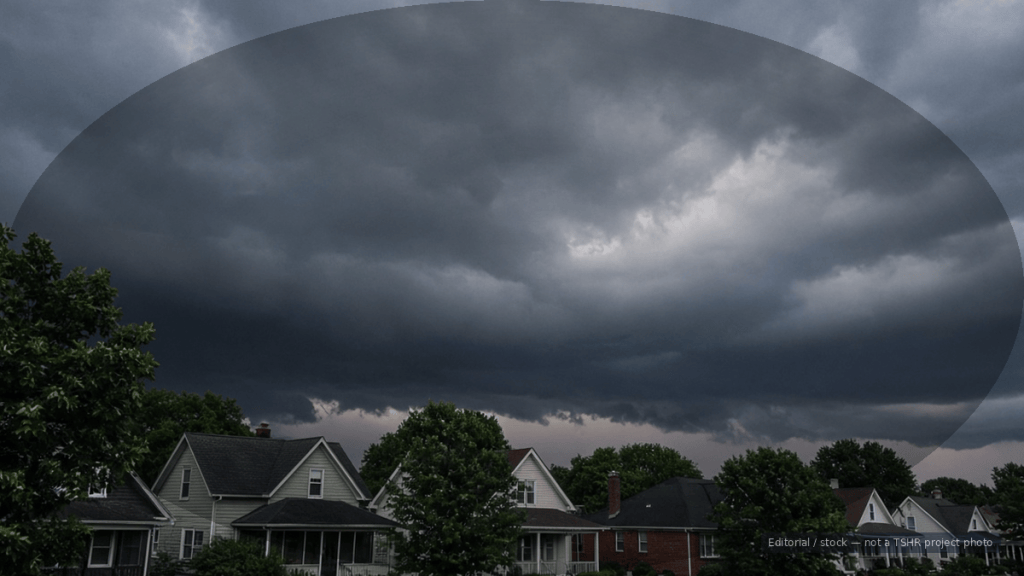
The Evansville Tri-State sits where humid Gulf air, Ohio River hydrology, and active storm tracks meet. Homeowners from Evansville and Newburgh to Henderson, Owensboro, Mount Vernon, and nearby southern Illinois towns should treat severe thunderstorms, tornadoes, and flooding as year-round planning issues.
This guide draws from the National Weather Service, Ready.gov, FEMA, and local EMA materials so you can build a simple, credible plan without fear-mongering.
Know who warns you
NWS Paducah covers the Tri-State core
The National Weather Service office in Paducah issues forecasts and warnings for much of the region, including Evansville, Owensboro, and surrounding southwest Indiana, western Kentucky, and southern Illinois counties. Bookmark NWS Paducah and its hazardous-weather support page.
Local EMA and outdoor warning sirens
Evansville/Vanderburgh County EMA partners with NWS Paducah and local SKYWARN spotters. City documentation says the county operates forty outdoor warning sirens and that Central Dispatch activates them for NWS Severe Thunderstorm or Tornado Warnings.
Sirens are primarily for people outdoors. They are not a substitute for NOAA Weather Radio, Wireless Emergency Alerts, television, radio, or local notification apps.
Layer your alerts
- Wireless Emergency Alerts on your phone
- NOAA Weather Radio with tone alert
- Local TV, radio, or weather apps
- Outdoor sirens and local opt-in systems
- A household human network for check-ins
Watch versus warning
- Watch: conditions are favorable; monitor closely and review your shelter plan.
- Warning: the event is imminent or occurring; take action now.
- Flash Flood Warning: flooding is imminent or happening; move to higher ground as directed and never drive flooded roads.
Tornado preparedness
Before the season
- Know your area’s tornado risk and identify the best shelter: a FEMA-criteria safe room or ICC 500 shelter when available, otherwise a small interior windowless room on the lowest level of a sturdy building.
- Do not use a basement if it is at flood risk. Practice the route with children, caregivers, and pets.
- Keep a shelter kit with helmets, flashlight, shoes, medications, and water.
- Mobile and manufactured homes are not safe in a tornado; plan a nearby sturdy shelter.
During and after a warning
- Go immediately to the identified shelter and cover your head and neck.
- Do not shelter under bridges. Follow Ready.gov guidance if caught in a vehicle without a sturdy shelter nearby.
- Use text for check-ins, avoid downed lines, wear sturdy shoes, and run generators outdoors away from openings to prevent carbon monoxide poisoning.
Flooding and the Ohio River Tri-State
Flooding can be flash flooding from intense storms, river flooding along the Ohio and tributaries, or urban flooding where drains surcharge. Ready.gov says flooding is the most common U.S. disaster and homeowners insurance typically does not cover it. Check your address on FEMA’s Flood Map Service Center; flooding can happen outside a mapped high-risk zone.
NFIP policies commonly take up to 30 days to take effect. Discuss NFIP or private options with a licensed insurance agent before the river rises.
Practical home hardening
- Keep gutters and downspouts clear and maintain grading away from the foundation.
- Consider a check valve or sump pump with battery backup if your home is prone to backup or seepage; get a qualified assessment.
- Move valuables higher when a watch or warning is issued.
- Store documents in waterproof containers and keep encrypted digital copies.
- Turn around, don’t drown: never drive through flooded roadways.
Build a kit and make a plan
Discuss alerts, tornado shelter, flood evacuation routes, family communication, medical and pet needs, and kit updates. Practice the plan.
- Water (about one gallon per person per day for several days)
- Non-perishable food, battery or hand-crank radio, and NOAA Weather Radio
- Flashlight, batteries, first aid kit, whistle, and dust masks
- Plastic sheeting, scissors, duct tape, moist towelettes, and garbage bags
- Wrench or pliers, maps, chargers, prescriptions, and pet supplies
Exterior storm checklist
- Secure patio furniture, grills, trampolines, trash cans, and loose project materials.
- Park vehicles in a garage if available; charge phones and power banks.
- Confirm generator readiness and outdoor CO-safe placement.
- After storms, photograph damage when safe before disposal and beware storm-chaser scams.
Special Tri-State notes
- NWS Paducah climate information notes a secondary severe-weather maximum in autumn, so September through November prep matters.
- Plan for heat during summer outages and identify cooling locations.
- River communities and neighborhoods near creeks should pre-identify higher-ground routes.
Use the contractor hiring checklist before signing storm-repair work. Browse the contractor directory, request a contractor, or subscribe for seasonal reminders.
Bottom line
Storm readiness is mostly boring preparation: layered alerts, a known shelter, a kit, flood-map awareness, and a repair plan that does not skip licensing.
Sources
- NWS Paducah: weather.gov/pah and hazardous weather
- NWS Louisville — Be prepared: weather.gov/lmk
- Evansville/Vanderburgh EMA and Severe Weather Operations: evansvillegov.org | operations
- Ready.gov — Tornadoes, Floods, Plan, and Kit: tornadoes | floods | plan | kit
- FEMA Flood Map Service Center: msc.fema.gov
- NWS Wireless Emergency Alerts: weather.gov/wrn/wea
- Kentucky DHBC CO safety information: dhbc.ky.gov
Find a local contractor
Browse the Tri-State contractor directory by trade, or tell us what you need and we will hand it to one local contractor in your area. Free to you — contractors pay us, you never do.

Leave a comment