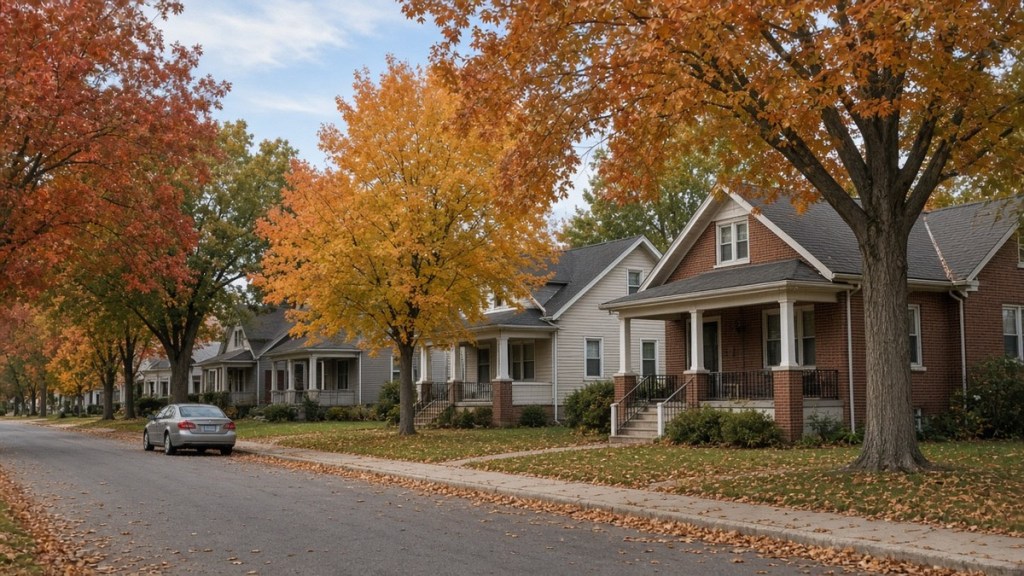
Important name check: This hub is Mount Vernon, Illinois—county seat of Jefferson County, at the I-57 / I-64 crossroads in southern Illinois. It is not Mount Vernon, Indiana (Posey County, west of Evansville). If you are searching permits, flood maps, or contractors, confirm the state and ZIP before you call City Hall.
Mount Vernon, IL is TSHR’s Jefferson County city hub for the Illinois Tri-State edge of the Evansville media/home-services orbit. The city’s community profile (mtvernon.com) describes a regional hub of roughly 14,090 residents, 6,108 households, and 7,131 housing units, with a housing stock that spans older in-town blocks and newer corridors near industrial and hospital employers. Illinois rules—permits, floodplain coordination, trade licensing—apply here, not Indiana city registration or Kentucky trade cards.
Tri-State Homeowner Report is an independent local guide and contractor matching service, not a contractor. This page will not invent Mount Vernon “best of” lists, star ratings, or business directories.
Local context: climate, watersheds & severe weather
Southern Illinois fits a humid continental / humid-subtropical transition pattern familiar to Tri-State readers: warm, humid summers; freeze–thaw winters; and a long severe-thunderstorm season. NOAA 1991–2020 monthly normals for station MT VERNON 3 NE, IL (USC00115943) summarize annual mean highs near 64°F and lows near 45°F, with substantial warm-season precipitation—useful climate context for roof, HVAC, and drainage planning (not a parcel-level forecast).
Watershed framing: Jefferson County’s Multi-Hazard Mitigation Plan (IEMA-hosted / Greater Egypt regional planning materials) places the county on the divide between Ohio- and Mississippi-basin drainages. Roughly three-fourths of the county lies in the Big Muddy River watershed; other portions drain toward Little/Lower Wabash / Skillet Fork systems. Nearby Rend Lake (USACE Big Muddy project) is a major regional reservoir with flood-risk-reduction among its authorized purposes—relevant background for county hydrology, not a substitute for your FIRM.
Severe weather: The same MHMP cites NOAA Storm Events data showing 30 recorded tornadoes in Jefferson County (1957–2021 analysis window in the plan) and an estimated ~47% annual probability of a tornado somewhere in the county based on that history. Derechos and damaging thunderstorm winds are also called out as regional risks. Treat that as county-scale hazard awareness—not a prediction for your street.
NWS coverage: Watches, warnings, and zone forecasts for Jefferson County (including Mount Vernon) are issued by NWS Paducah (PAH). Jefferson County forecast zone products are under ILZ075. Rely on NWS, Wireless Emergency Alerts, and local EMA—not social rumor—during storms.
Flood awareness & EMA
Illinois / NFIP framing: The Illinois Department of Natural Resources (IDNR/OWR) is the state NFIP coordinating agency. IDNR notes that floods account for well over 90% of declared disasters in Illinois and that participating communities adopt and enforce floodplain regulations in exchange for NFIP insurance access and related programs.
Maps: Effective Flood Insurance Rate Maps for Jefferson County are available through the Illinois Flood Maps entry point and, officially, the FEMA Flood Map Service Center / National Flood Hazard Layer. Look up your address, then confirm development decisions with the local floodplain administrator—MSC screening is awareness, not a formal determination.
Local EMA: The Jefferson County Emergency Management Agency (JCEMA) is based in Mt. Vernon and serves Jefferson County municipalities including Mount Vernon, Belle Rive, Bluford, Bonnie, Dix, Ina, Nason, Opdyke, Texico, Waltonville, and Woodlawn. JCEMA coordinates multi-hazard preparedness, response, and the county Emergency Operations Center. Pair EMA guidance with NWS products for real-time threats.
Homeowner action:
- Address lookup on FEMA MSC / NFHL
- FEMA Flood Insurance education (standard HO policies usually exclude flood)
- IDNR NFIP overview
- Storm readiness: TSHR storm-prep cornerstone
City permits: Engineering & Inspections (real AHJ path)
Inside the City of Mt. Vernon, residential building permits are handled by Engineering and Inspections at City Hall (1100 Main Street, phone listed on the city permits page as (618) 242-6830). Applications can be submitted online, emailed to the building inspector address published on mtvernon.com, or delivered in person. The city notes that many small repairs do not need a permit, but larger projects often do—and all permitted work must be inspected.
City guidance lists common permit triggers that include (not a full list): carports, garages, pools, storage buildings, new houses, porches and decks over 30 inches high or with a roof, mobile homes, and new commercial construction. When unsure, ask Engineering and Inspections before you dig or pour.
The city’s building-permit application form (published PDF on mtvernon.com) references adopted codes including the International Building / Residential / Mechanical / Fuel Gas / Fire Codes (2021 editions), NFPA 70 National Electrical Code (2023), NFPA 101 Life Safety Code (2021), and relevant chapters of the city’s Revised Code of Ordinances. That is useful context for contractors writing scopes—not DIY legal advice.
Outside city limits: Unincorporated Jefferson County and other municipalities have different AHJs. Always verify for your parcel. TSHR matches homeowners with contractors; we are not the permitting authority.
Seasonal maintenance pointers
Use the TSHR seasonal home maintenance calendar as the month-by-month backbone, with Mount Vernon / Jefferson County emphasis:
| Season | Homeowner focus |
|---|---|
| Fall | Furnace tune-up before first hard freeze; gutters before/after leaf drop; hose-bib winterizing; roof glance after storm season |
| Winter | Pipe protection on arctic snaps; attic condensation checks; keep vents clear of ice/debris |
| Spring | Post-winter roof/gutter/drainage inspection; AC service; grade away from foundation; sump test if equipped |
| Summer | Humidity control; tree/limb clearance from roof and lines; outdoor living shade; refresh severe-weather kit |
Related intent reading: gutter maintenance & fall prep, basement moisture basics, attic insulation in older Tri-State homes, post-storm tree damage first steps.
Projects Mount Vernon-area homeowners commonly plan
I-57 / I-64 logistics and regional employers mean a mix of older housing stock and active remodel markets. Specialty trades can still book out around storm and heat seasons—plan HVAC and roofing before failure season when you can.
- Roofing — storm wear, age-out, ventilation. See new roof cost — Southern Indiana for estimate education; obtain Mount Vernon / Jefferson County written bids for real pricing.
- HVAC — paired furnace/AC replacements and humidity control. See HVAC replacement cost — Evansville for national estimate bands + DOE/ENERGY STAR efficiency context.
- Concrete & outdoor living — patios, covers, screen rooms. See concrete patio cost and screen room / patio cover variables.
- Fencing — privacy and pet enclosure. See fence cost — Henderson / Tri-State.
- Water heaters & systems — repair vs. replace when age or failure forces a decision.
Before you hire, use the how to hire a contractor checklist mindset: insurance, written contract, permits named in writing, multiple bids. Compare scopes—not just bottom lines—with how to read a contractor quote when that piece is live.
Licensing note: Illinois municipal and county rules vary. Do not assume Indiana or Kentucky credentials transfer. Verify with the AHJ for Mount Vernon city vs. unincorporated Jefferson County for your project type.
Illinois cost guides for Mount Vernon–area projects
For Jefferson County / Mount Vernon–area budget conversations, start with TSHR’s Illinois Tri-State cost guides (estimate education—not quotes). Then confirm permits with Engineering and Inspections and compare written local bids:
- New roof cost — Southern Illinois Tri-State
- HVAC replacement cost — Mount Vernon / SE Illinois
- Concrete patio cost — SE Illinois (Mount Vernon & Carmi)
- Screen room & patio cover cost variables — IL Tri-State
- Fence installation cost — SE Illinois Tri-State
How to use this hub with TSHR cost guides
- Read estimate bands (or variables-only sections) to learn cost drivers.
- Sketch your scope (size, finish, must-haves, floodplain constraints if any).
- Confirm permits with Engineering and Inspections (or county AHJ).
- Request 2–3 written local quotes through directory/match paths.
- Compare scopes with the hire checklist—not just the lowest number.
That workflow keeps TSHR in its lane (education + matching) and keeps pricing where it belongs: on contractor letterhead for your address.
Next steps
- Browse the contractor directory
- Or request a contractor match for your project type
- Subscribe for Tri-State seasonal and storm guides
Cross-hub: see also the deepened Carmi, IL homeowner hub for White County / Little Wabash context on the eastern IL Tri-State edge.
Sources
- City of Mt. Vernon — Building Permits (Engineering & Inspections; common project triggers; contact).
- City of Mt. Vernon — Application for Building Permit (adopted code editions listed on form).
- City of Mt. Vernon — Community Profile (population / housing counts).
- Jefferson County EMA (JCEMA).
- Illinois Flood Maps — Jefferson County.
- Illinois DNR — National Flood Insurance Program overview.
- FEMA Flood Map Service Center.
- FEMA Flood Insurance.
- NWS Paducah — (forecast office; Jefferson County / ILZ075 products).
- NOAA NCEI — Monthly Normals 1991–2020, MT VERNON 3 NE, IL (USC00115943).
- Jefferson County, Illinois Multi-Hazard Mitigation Plan (watershed / tornado hazard discussion; IEMA / Greater Egypt hosted PDFs).
- USACE / Rend Lake project materials (Big Muddy watershed / flood-risk-reduction context).
Find a local contractor
Browse the Tri-State contractor directory by trade, or tell us what you need and we will hand it to one local contractor in your area. Free to you — contractors pay us, you never do.

Leave a Reply